
Why Do Roof Penetrations Need Careful Sealing?
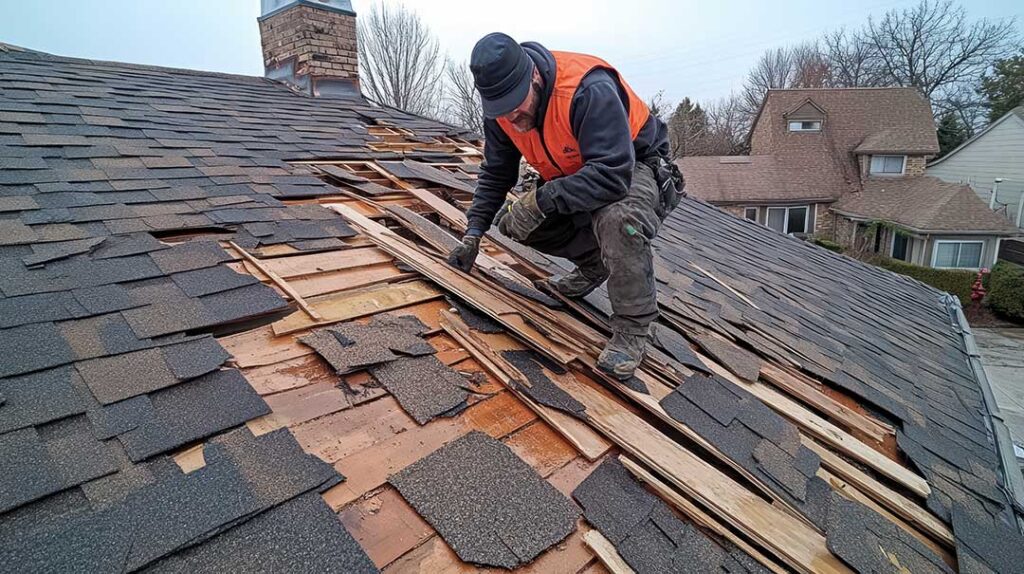
Any opening in a roof—from plumbing stacks to attic vents or skylights—is a spot where water can find its way inside. In Hoosick Falls, NY, the freeze-thaw cycle, winter snow loads, and periodic heavy rains put special stress on these points. Unsealed or poorly sealed penetrations are among the most common sources of leaks, leading to costly damage inside attics, walls, and ceilings.
A properly sealed roof penetration prevents moisture infiltration, insulates against drafts, and helps maintain the lifespan of the roofing structure. Even a small crack or gap can slowly allow water to work its way below shingles or membrane, especially during ice dam season or spring storms.
What Types of Roof Penetrations Are Most Common in the Community?
Most homes in the area have multiple types of roof penetrations. These usually include:
- Plumbing vent pipes (for sewer-gas venting)
- Bathroom and kitchen exhaust fans
- Chimneys (masonry or metal)
- Skylights or sun tunnels
- Furnace or water heater exhausts
- Electrical/antenna mast connections
Older and newer homes alike have these features. Many local houses, especially those with basements or older heating systems, also have extra vent stacks that require rigorous sealing. The type of penetration determines the correct flashing and sealant approach.
What Are the Signs of Poor or Failing Seals?
Gaps don't always show up as visible drips. Early signs can be subtle, especially in the attics of Hoosick Falls homes:
- Water stains or dark streaks on your attic rafters, subroof, or insulation near pipes or vents
- Dampness, mold, or mildew around ceiling penetrations inside living spaces
- Light visible around vent bases during sunny days (from attic side)
- Rust or corrosion forming on metal flashing
- Shingles lifting or curling near penetrations
- Ice accumulating or dams forming just above roof features in winter
Annual visual checks—both in the attic and outside—can help spot these issues before they cause interior damage.
How Should Local Households Prepare for Sealing Penetrations?
Make sealing roof penetrations part of a regular home maintenance routine, especially before and after the winter season. Before starting work, check the following:
- Roof surface should be clean and dry for best adhesion
- Temperatures should ideally be above 40°F for most sealants to set properly
- Consider the safety of the roof pitch—some homes in the area have steep or slate roofs requiring extra caution
For basic sealing, you'll need:
- A suitable exterior-grade sealant (like roofing caulk or polyurethane, not just general-purpose silicone)
- Roofing cement (for asphalt-based roofs)
- Caulking gun
- Putty knife or trowel
- Gloves and sturdy shoes
For larger repairs, it may be necessary to have compatible flashing material (metal or rubber boots) on hand.
What Are the Steps to Properly Seal Roof Penetrations?
A careful approach prevents more problems later. Here’s a general process:
1. Inspect and Clean the Area
Remove debris, old caulk, and dirt from around the penetration base and flashing. Any moss, loose sealant, or roof grit should be cleared.
2. Check Flashing and Boots
Ensure vent boots or flashing are not cracked, loose, or corroded. If the boot is split or the metal is rusting through, replacement may be necessary.
3. Apply the Right Sealant
- For gaps under flashing: Trowel a thin layer of roofing cement or apply bead of sealant under the edge.
- Around circular pipes: Use a high-grade polyurethane caulk around the boot and at its base.
- For chimney stacks: Check the counter-flashing and apply sealant where flashing meets brick or stone, but avoid relying on caulk as the only barrier.
4. Smooth and Tool the Sealant
Tool the caulk or cement with a gloved finger or caulking spatula to ensure complete coverage and adherence.
5. Check for Missed Spots
Inspect from multiple angles to catch hidden gaps. Rain often finds the smallest missed spot.
6. Recheck After Weather Events
After substantial wind, ice, or rainfall, inspect the areas for any sign of water entry.
Are There Any Materials or Methods to Avoid in Hoosick Falls?
Several practices cause more trouble than they solve:
- General silicone sealant does not adhere well to asphalt roofing or survive freeze-thaw cycles commonly experienced in the region.
- Spray foams are not designed for exterior UV exposure or roofing movement.
- Roofing tar may crack in extreme cold and is generally discouraged on modern roofs except in limited emergency situations.
Always use products labeled as exterior or roofing grade, and confirm they meet temperature and weather resistance requirements.
What Mistakes Do Homeowners Often Make When Sealing Roof Penetrations?
Even careful residents sometimes make errors that lead to recurring leaks or reduced roof lifespan:
- Relying solely on caulk for major gaps instead of repairing damaged flashing or boots
- Over-applying sealant, which can create dams that hold water rather than encourage drainage
- Applying sealants in cold, wet conditions, which prevents them from curing and adhering properly
- Ignoring granular loss or shingle damage around penetrations, which can make even a good seal less effective
For multi-layered or complicated roof features (such as around stacked pipes or odd angles), failing to address the problem area from both the exterior and attic side can hide developing leaks.
How Can Seasonal Factors in Hoosick Falls Affect Roof Seals?
The local freeze-thaw cycle causes materials to expand and contract, challenging the flexibility of most sealants. Snow and ice buildup, especially in valleys or above lower-slope sections near penetrations, can promote backup and seepage.
Best practices:
- Recheck seals after both the winter thaw and heavy spring rains.
- Pay special attention to south-facing roofs, where daytime warming and nighttime freezing are more pronounced in early spring and late fall.
- Remove snow and ice from around vulnerable roof features after major events.
Should Any Sealing Tasks Be Left to a Professional?
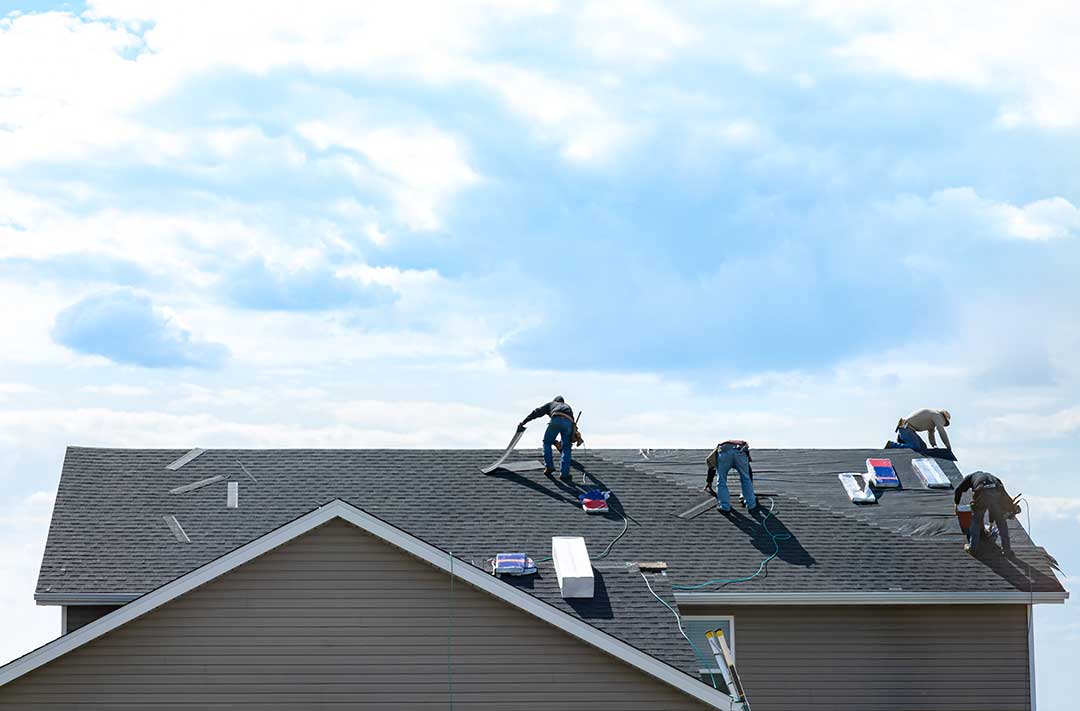
Most minor cracks or gaps can be safely addressed by careful homeowners if they can safely access the roof. However, for penetrations involving complex flashing, significant rot, chimney repairs, or if the roof is steep, slippery, or higher than a single story, seeking expert help is necessary for safety compliance and to meet code when structural changes are needed.
