
What Are Soffits and Fascia, and Why Do They Matter?
Soffits and fascia are key parts of a home’s roofing system, yet they’re often overlooked by homeowners in Hoosick Falls, NY. In basic terms, soffits are the finished surfaces underneath the roof’s overhanging section, and fascia boards are the horizontal edges attached to the ends of rafters or the area under the roof edge.
These components are more than decorative trim – they help shield the home from weather, pests, and moisture problems commonly experienced in this region’s varied climate. Without well-functioning soffits and fascia, residents may face avoidable repairs on their roofs, siding, and even interior ceilings.
How Do Soffits Protect Local Homes?
Soffits mainly serve as the underside of the roof's eaves, closing the gap between the outer walls and the edges of the roof. In Hoosick Falls, where winters bring snow and summers can be humid, soffits help with two essential jobs: keeping pests out and managing attic ventilation.
Properly installed, vented soffits allow fresh air to flow under the eaves and into attic spaces. This prevents heat and moisture build-up, which can lead to mold, ice dams, or even wood rot—problems familiar to many local households. At the same time, soffits act as a barrier against animals like squirrels, birds, and insects, discouraging them from nesting inside roof structures.
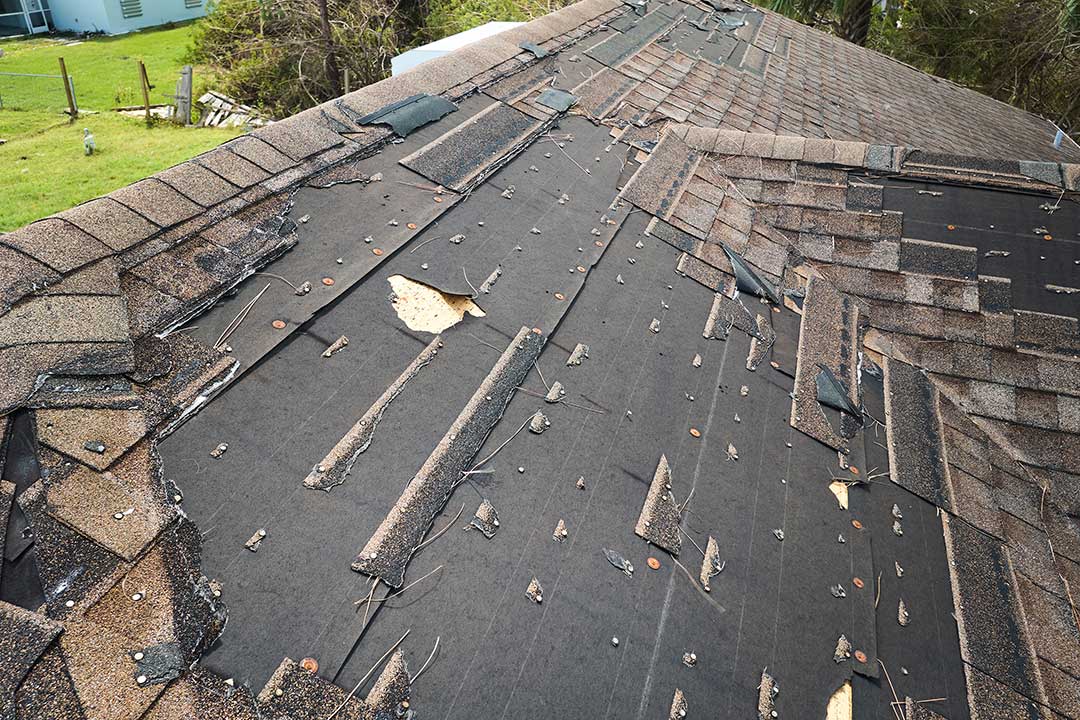
Homeowners sometimes don’t realize their soffits are damaged until pests or moisture enter the attic. Small cracks, gaps, or deterioration from weather can allow entry points, especially after storms or long winters.
What Is the Function of Fascia Boards?
Fascia boards run along the lower edge of the roof and play several roles. Their most visible job is supporting the bottom row of roof shingles and holding up rain gutters. In Hoosick Falls, where spring and fall rains are common, functioning fascia is vital for keeping gutters securely attached and directing water away from foundations.
Additionally, fascia boards serve as a visual boundary, providing a clean edge to the roofline and covering vulnerable rafter ends. This not only improves appearance but helps prevent water from seeping into areas that can be hard to inspect or repair.
If fascia boards become soft, warped, or start to show peeling paint or mold spots, it’s often a sign that gutters have leaked or ice dams have caused water backups—leading to hidden damage beneath the roof’s surface.
What Problems Can Happen If Soffits or Fascia Deteriorate?
When these components are neglected, several issues may arise, many of which are especially relevant to homes in the Hoosick Falls area:
- Water Damage: Gaps or rot can allow water to reach rafters and attic spaces, leading to staining, decay, or mold along ceilings and walls.
- Ventilation Issues: Poorly vented soffits can mean overheated attics in summer and ice dam problems in winter, both of which shorten roof life.
- Pest Intrusion: Holes or soft spots often invite squirrels, bats, birds, or carpenter ants, triggering new maintenance headaches.
- Gutter Failure: If fascia boards can’t hold gutters securely, heavy rain or snow loads may cause them to sag or detach, making water management around the home much harder.
Local weather—such as wind-driven rain, snow melt, and freeze/thaw cycles—exposes these parts to extra wear, so attention to early signs of trouble is especially wise.
How Can Homeowners Spot Issues Early?
Routine visual checks, especially after the harsh winters or intense storms typical in Hoosick Falls, can catch minor problems before they become costly. Look for:
- Flaking or bubbling paint on fascia or soffits
- Animal droppings, nests, or extra cobwebs under the eaves
- Visible holes, cracks, or crumbling wood
- Signs that gutters are pulling away from the roofline or dripping in spots
For those comfortable safely using a ladder, a closer inspection can reveal warped sections or places where ventilation appears blocked by debris or insulation.
Are There Materials That Work Better Locally?
Traditionally, wood was the main material for both soffits and fascia, but many newer homes or renovations in the area use aluminum or vinyl products. Each has pros and cons for local conditions:
- Wood: Looks classic and is easy to paint, but vulnerable to rot and insect damage without meticulous upkeep.
- Aluminum: Resists rot, holds paint well, and helps deter pests, but can dent from hail or heavy tree branches.
- Vinyl: Won’t rot and needs little upkeep but can crack with impact or extreme cold—a consideration for Hoosick Falls winters.
Homeowners often weigh longevity against aesthetics and budget. Regular painting or sealing is crucial for wood; synthetic materials still need occasional cleaning and checks for mechanical damage.
How Do Soffits and Fascia Affect Energy Efficiency?
A properly vented soffit system teamed with intact fascia can help local homes stay comfortable year-round. By supporting attic airflow, soffits move warm, moist air out during summer and regulate the roof’s temperature during winter, reducing the risk of ice dams and heat buildup.
Homes with blocked or missing soffit vents can experience higher cooling bills and risk storing more attic moisture, which can also damage insulation.
Fascia, by forming a tight seal at the roof edge, helps keep wind-driven rain out and can minimize drafts or heat loss in areas where the roof meets exterior walls.
Common Misconceptions About Their Maintenance
Some residents believe that as long as water isn't pouring into the house, soffits and fascia don’t need much attention. In reality, many problems start out hidden. For instance, soffit vents sometimes get blocked by attic insulation or paint over the years, and small damaged sections of fascia can weaken gutter systems long before interior leaks appear.
Another misconception is that squirrels or birds can’t enter based on a home’s height or location. In practice, wildlife in the community can be persistent, and even high soffits are at risk if materials begin to soften or gaps develop.
Being attentive to these parts of the roof and understanding how climate and housing styles in Hoosick Falls, NY can create specific wear patterns contributes to a sturdier, healthier home.
