
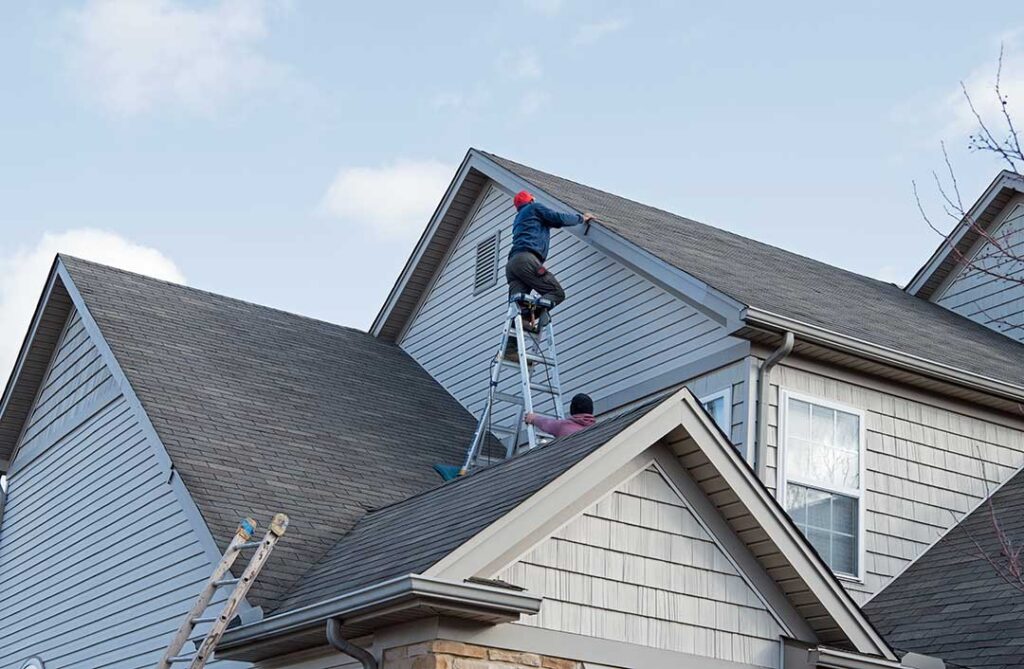
Why Are Roofs in Hoosick Falls, NY Vulnerable to Pests?
Even well-built roofs in Hoosick Falls can become entry points for pests due to a combination of changing seasons, aging materials, and natural wildlife patterns. Cold winters, wet springs, and mature local trees provide both motivation and pathways for animals and insects looking for shelter.
Roofs are complex systems with many joints, gaps, and layers—making them particularly susceptible to determined pests when even minor vulnerabilities exist.
What Are Common Roof Entry Points for Pests?
Birds, squirrels, bats, mice, and insects use specific weak spots to access attic spaces and roof cavities. Typically, these entry points include:
- Gaps where the roof meets siding or chimney masonry
- Openings around attic vents and roof exhausts
- Damaged or missing shingles, flashing, or soffits
- Loose or rotted fascia boards
- Gutter edges filled with debris and leaves
In Hoosick Falls, older homes especially may have shifting lumber or weathered trims that widen over time, creating perfect portals for small animals and insects.
How Do Weather and Local Conditions Influence Pest Intrusion?
Seasonal shifts in the region nudge animals toward human structures for warmth or nesting. During cold snaps, rodents seek attic insulation for warmth, while wet conditions drive insects upward to escape saturated ground. Extended leaf fall in autumn can clog gutters and trap moisture, accelerating wood rot and softening entry edges.
Homes near wooded areas or open fields—common in and around the community—are more likely to encounter squirrels, raccoons, and bats, all adept climbers and chewers.
What Types of Pests Most Commonly Get Into Local Roofs?
The most frequent intruders in area homes include:
- Squirrels: Known for gnawing into soffits, fascia, and even asphalt shingles.
- Mice and Rats: Fit through openings as small as a quarter inch, often exploiting gaps in rooflines or eaves.
- Bats: Enter through small crevices near roof edges or attic louvers.
- Birds (Starlings, Sparrows): Nest in vent openings or under loose flashing.
- Wasps and Bees: Create nests in attic voids, using damaged vents or soffit gaps for access.
Each pest presents different challenges. Squirrels and rodents can chew through wood, wiring, and insulation, while insects may build expansive nests that clog ventilation.
What Subtle Signs Might Residents Overlook?
Sometimes, signs of a roof pest problem are easy to miss until significant damage occurs. Homeowners often overlook:
- Faint scratching or rustling sounds in ceilings or attic, especially at dawn or dusk
- Small piles of droppings or nesting material near attic access points
- Unexplained debris or insulation falling from roof voids
- Discolored patches or unusual odors in upper rooms
- Tiny holes or chewed edges around vent screens or soffit panels
Because pests often enter at the roofline and stay hidden above the ceiling, it’s easy to misattribute these signals to normal house settling or plumbing noises.
How Do Trees and Landscaping Affect Roof Pest Risks?
Large trees close to houses in Hoosick Falls provide bridges for wildlife. Overhanging limbs allow squirrels, raccoons, and even birds to jump onto rooftops. Dense shrubbery along exterior walls can also obscure foundational entry points, but the real risk comes from branches directly touching or hanging above the roof.
Also, falling leaves and seeds can block gutters, causing water backup and accelerating wood decay along the eaves. This weakened wood is then targeted by both chewing animals and insects.
Are Modern Roof Materials More Resistant to Pests?
Some newer materials include pest-resistant elements, like metal flashing or synthetic underlayment, which deter gnawing animals and insects. But construction gaps, poorly sealed vent pipes, and settling still create weak spots—even on recently remodeled or modern homes.
Pests often exploit installation flaws, such as:
- Gaps left around solar panel mounts, skylights, or roof vents
- Settled or dislodged insulation creating exposed cavities
- Incomplete sealing around attic fan housings
It’s a misconception that newer construction is immune to pest entry; vigilance is key regardless of roof age or design.
What Steps Can Local Residents Take to Reduce Risk?
Prevention starts with regular observation and basic property care. Practical steps include:
- Trimming back any limbs or vegetation near the roofline
- Keeping gutters clean to prevent water build-up and wood decay
- Sealing observable gaps with durable exterior caulking or mesh where appropriate
- Inspecting vent covers, attic louvers, and soffits for damage or looseness
Periodically walking around the home after storms or at season changes can help residents spot shifted shingles, rotted boards, or new holes before pests move in.
When Is DIY Insufficient?
Resident safety and legal compliance should be the priority when dealing with animal infestations in roof or attic spaces. Handling wildlife, large wasp nests, or large accumulations of droppings can pose health hazards, particularly with bats or rodents.
For most pest prevention and minor repairs, homeowners can act independently. However, if hazardous materials, aggressive animal behavior, or structural roof issues are present, consulting with licensed experts or local animal control is recommended for health and safety.
