
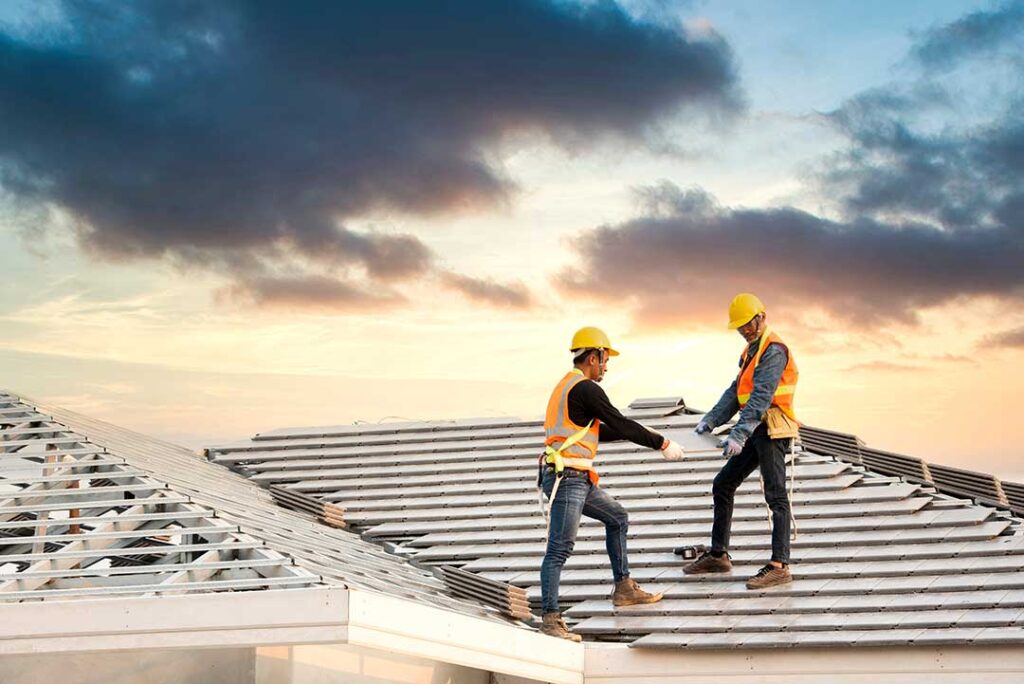
Roof work can look simple from the ground, but even a small repair can involve steep surfaces, unstable ladders, hidden damage, electrical hazards, and sudden weather changes. In Hoosick Falls, NY, seasonal snow, ice, wind, and wet leaves can make rooftop access more dangerous than it first appears.
The safest approach is to inspect from the ground whenever possible and avoid climbing unless the task is low-risk, the weather is stable, and the equipment is set up correctly.
Is it safe for a homeowner to climb onto the roof?
Sometimes, but many common situations are not suitable for do-it-yourself roof access. A roof may be unsafe because of its slope, height, surface condition, moisture, snow, ice, or structural weakness.
Do not climb onto the roof if:
- Snow, frost, ice, rain, or heavy dew is present
- Wind is strong enough to affect balance or move a ladder
- The roof surface feels soft, spongy, loose, or uneven
- Shingles are covered with moss, leaves, or wet debris
- You are taking medication or experiencing a condition that affects balance
- You do not have properly rated fall-protection equipment
- The work requires stepping near the edge, skylights, valleys, or damaged areas
A one-story roof with a low slope may still contain weak decking beneath the shingles. Damage is not always visible from above, especially after long periods of moisture or repeated freeze-thaw cycles.
How should a homeowner inspect a roof without climbing?
Many useful inspections can be completed from the ground, an upper-level window, or a secure attic access point. Binoculars can help identify problems without adding fall risk.
Look for:
- Missing, lifted, curled, or cracked shingles
- Dark streaks or patches that may indicate moisture
- Sagging lines along the roof surface or ridge
- Damaged flashing around chimneys, vents, and wall intersections
- Gutters pulling away from the roof edge
- Granules collecting in downspouts or at the base of foundation walls
- Tree limbs touching or overhanging the roof
- Ice buildup along the eaves during cold weather
Inside the attic, inspect for damp insulation, water stains, daylight visible through the roof deck, rust around fasteners, or musty odors. A water stain may not appear directly below the leak because water can travel along rafters and roof decking.
Avoid opening electrical fixtures or reaching into wet areas. If water is near wiring, lighting, or electrical equipment, stay clear and address the hazard from a safe location.
What is the safest way to use a ladder?
A ladder should stand on solid, level ground and extend above the roof edge far enough to provide a secure handhold. It should not rest on loose soil, ice, snow, uneven stones, or wet grass.
Before climbing:
- Check that the ladder has no bent rails, broken feet, or damaged locks
- Keep the area below clear of children, pets, tools, and foot traffic
- Set the ladder at the manufacturer’s recommended angle
- Secure the top when possible so it cannot slide sideways or backward
- Keep both hands available while climbing
- Face the ladder and maintain three points of contact
- Do not carry bulky materials while ascending
- Never stand on the top step or the highest prohibited rung
- Reposition the ladder instead of leaning far to one side
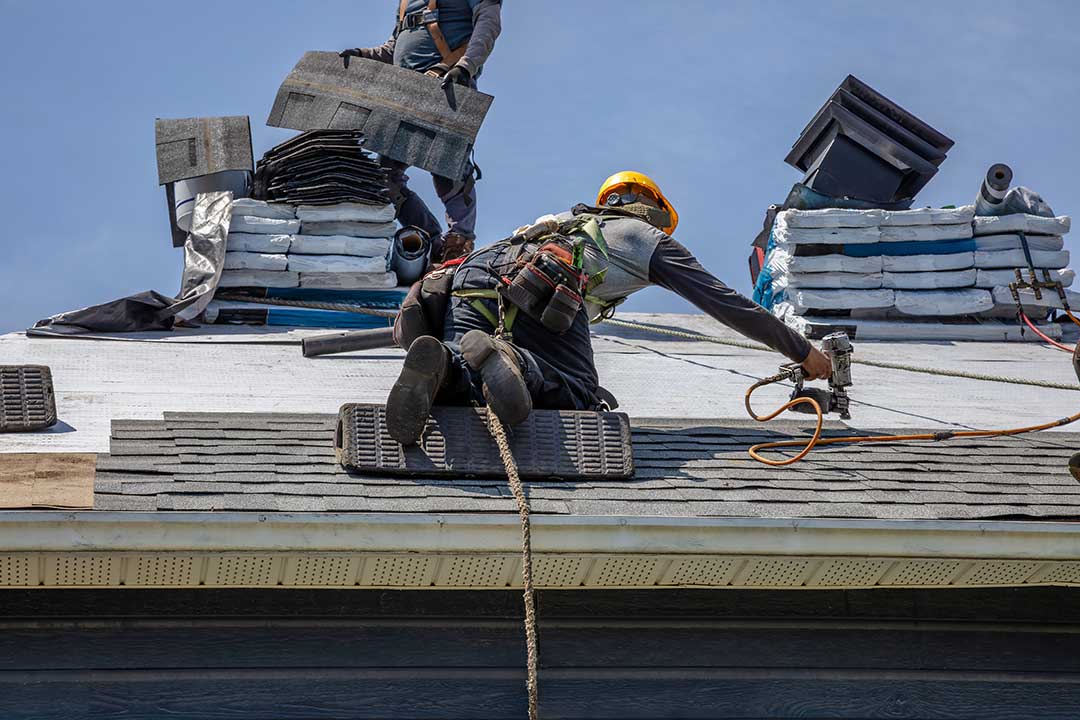
A ladder used near overhead electrical lines creates a serious shock hazard, even if the ladder itself does not touch a wire. Keep ladders, gutters, and long-handled tools well away from power lines.
Can a roof be inspected safely during winter?
Winter roof access is generally riskier because snow and ice can hide roof edges, slippery areas, and structural damage. Snow also adds weight to the roof, while repeated freezing and thawing can loosen shingles, flashing, and gutter attachments.
Homeowners should avoid walking on snow-covered roofs. Clearing snow from the ground with a roof rake may be appropriate if the tool can be used without standing beneath falling snow or pulling snow onto walkways, doors, vehicles, or utility equipment.
Watch for ice dams, which form when melting snow refreezes near the colder roof edge. Do not chip ice aggressively with a hammer or shovel. Striking the roof can damage shingles and flashing, while falling ice can injure people below.
Keep children away from areas where snow or ice may slide from the roof. A roof edge that appears stable can release a heavy sheet without warning.
What safety precautions apply during spring and summer?
Warmer months create different hazards. Wet leaves, pollen, algae, and moss can make shingles slippery. Heat can also make roofing materials soft and uncomfortable to walk on, while bright sun may contribute to fatigue and dehydration.
Plan any low-risk exterior task for a cool, dry period rather than the hottest part of the day. Wear shoes with clean, slip-resistant soles, avoid loose clothing, and use gloves when handling rough shingles, flashing, or gutter debris.
Never work alone on a ladder or roof. Someone on the ground should know where you are, monitor the ladder, and have access to a phone. This is especially important around older homes, where roof geometry, additions, porches, and enclosed sections may create unexpected fall points.
How can gutter cleaning be done more safely?
Gutter cleaning is a frequent cause of falls because the work often involves repeated leaning, awkward positions, and ladders placed on uneven ground.
If cleaning from a ladder is appropriate, move the ladder frequently rather than stretching along the gutter. Keep your belt buckle between the ladder rails, and do not climb onto the roof simply to reach a section of gutter.
Use a bucket or tool holder attached to the ladder instead of carrying items in both hands. Keep removed debris away from sidewalks and entrances, where wet leaves can create another slipping hazard.
Before beginning, check for stinging insects, animal nests, sharp metal edges, and loose gutter sections. Do not place a ladder against a gutter, because the gutter may not support the load.
What should homeowners know about roof openings and fragile surfaces?
Skylights, roof vents, translucent panels, and areas covered by old repairs may not support a person’s weight. Some openings are difficult to distinguish from solid roofing, especially when covered by snow, leaves, or dirt.
Never step backward while carrying materials, and avoid walking near roof valleys or areas where two roof sections meet unless proper fall protection is in place. Valleys can collect water, ice, and debris and may contain hidden damage.
Chimneys and masonry can also present hazards. Loose bricks, deteriorated mortar, and metal caps may shift when touched. A chimney inspection from the ground can reveal leaning, missing sections, or visible cracks without requiring roof access.
When should a homeowner stop and seek qualified help?
Stop immediately if the roof is steep, wet, icy, structurally damaged, unusually high, or difficult to access. Fall protection is especially important for work near roof edges, skylights, and large openings, but personal protective equipment is only effective when correctly selected and used.
Qualified assistance is warranted when a task involves structural damage, suspected electrical danger, chimney deterioration, extensive ice removal, or any condition that requires walking on a hazardous roof. Emergency services may be appropriate when a person has fallen, a power line is involved, or the roof has suffered sudden storm damage.
A clear photo taken from the ground, notes about when the problem appeared, and information about recent wind, rain, or snow can help explain the situation without creating additional risk.
What is the most common rooftop safety mistake?
The most common mistake is treating a quick task as a harmless one. Retrieving a branch, checking a vent, or clearing a small patch of snow may take only a few minutes, but falls often happen during short, familiar jobs when people become overconfident.
Ground-level inspection, stable ladder placement, suitable weather, and a willingness to stop are more valuable than speed. For many roof concerns, the safest action is to observe, document, and keep people away from the hazard until it can be addressed properly.
