
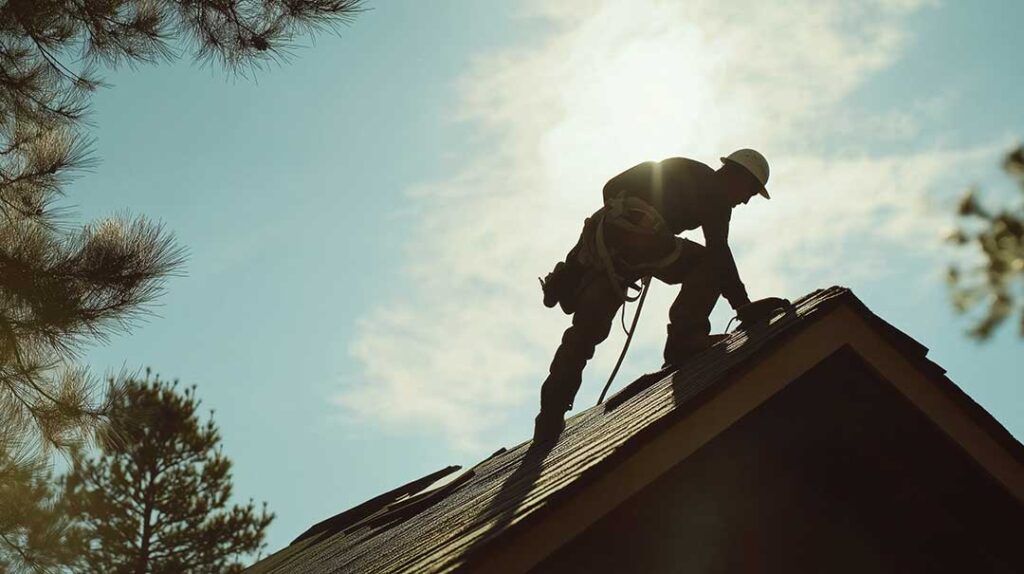
Roof damage can become more serious quickly, especially after heavy snow, ice, wind, or summer thunderstorms. In Hoosick Falls, NY, the safest approach is to control immediate risks, limit water entry, document what happened, and avoid temporary repairs that create additional hazards.
What should be done first after roof damage?
Start by protecting people and the building’s interior, not by climbing onto the roof. If the ceiling is sagging, water is near electrical fixtures, or part of the roof has collapsed, leave the affected area and address the immediate safety risk.
Use this order:
- Move people, furniture, electronics, and valuables away from active leaks.
- Place containers under drips if the ceiling is stable.
- Turn off electricity to wet areas only if the electrical panel can be reached safely from a dry location.
- Keep children and pets away from fallen shingles, broken glass, exposed nails, and wet flooring.
- Take photographs and notes before moving damaged materials, when doing so is safe.
A ceiling stain does not always show the exact location of the roof problem. Water can travel along rafters, insulation, wiring, or the underside of the roof deck before entering the room.
Is it safe to inspect the roof during an emergency?
Usually, no. A wet, icy, snow-covered, or wind-damaged roof is especially dangerous. Emergency conditions can hide weak decking, loose shingles, broken branches, and concealed structural damage.
Avoid roof access during:
- Active thunderstorms or high winds
- Freezing rain or icy conditions
- Heavy snowfall or drifting snow
- Darkness or poor visibility
- Situations involving sagging roof areas or fallen power lines
- Damage near chimneys, skylights, vents, or utility connections
A ladder can slide on ice, wet siding, or uneven ground. Snow may also conceal roof edges and openings. Even when the roof appears intact from the ground, wind uplift or falling limbs may have weakened fasteners and roof materials.
A ground-level inspection using binoculars may reveal missing shingles, exposed underlayment, displaced flashing, or a visibly damaged ridge. That information can help explain the situation without adding personal risk.
How can a leak be contained from inside the house?
Interior leak control is often possible without entering the attic or roof. Use a container beneath the drip and place a piece of plywood or another rigid surface across the top if water is splashing. Protect flooring with towels or plastic sheeting, but do not stand on wet materials that may become slippery.
If the ceiling is bulging, do not simply puncture it without understanding the surrounding risk. A bulge may contain a substantial amount of water, and water may be near wiring or light fixtures. If there is no electrical hazard and the area can be approached safely, controlled drainage may reduce the weight pressing on the ceiling. If those conditions are uncertain, keep clear of the area.
An attic inspection may help locate the source, but only if the space can be entered safely. Do not step directly on insulation or ceiling drywall. Use visible framing members as walking surfaces, keep clear of electrical components, and avoid entering if the attic has structural damage, mold growth, poor ventilation, or signs of wildlife.
What temporary exterior measures are reasonable?
A temporary cover may reduce additional water entry, but it should be installed only from a safe position. A tarp placed from the ground is rarely effective, and climbing onto a damaged roof to secure one can result in a fall or worsen the damage.
Temporary protection may be appropriate when:
- The roof surface is stable and accessible without unsafe climbing
- Weather conditions are calm and dry
- The damaged area is small and clearly visible
- Fasteners will not be driven through plumbing, wiring, or an unstable roof deck
- The covering will not block drainage paths
Do not use loose plastic, heavy objects, or improvised materials that can blow away and injure someone. A tarp that covers gutters, valleys, or roof drains may redirect water into the building. Temporary work should be treated as short-term protection, not a completed repair.
How should storm, ice, and tree damage be handled?
Different causes create different risks. Wind may remove shingles while leaving the roof deck apparently intact. Ice can loosen flashing, block drainage, and contribute to ice dams along eaves. Heavy snow can stress roof framing, particularly when snow accumulates unevenly or combines with melting and refreezing.
Tree limbs require extra caution. A branch resting on a roof may shift without warning, and a partially fallen tree can place continued pressure on rafters or trusses. Never cut or pull a large limb from the roof by hand. Stay away from downed lines and assume any line near the property may be energized.
After severe weather, inspect the ground around the building for displaced shingles, metal flashing, pieces of ridge cap, and fragments of vent covers. These clues can help identify the approximate location and timing of the damage.
Should emergency roof repairs be documented?
Yes. Documentation is useful for organizing the repair and may be needed for an insurance claim, rental record, warranty question, or dispute about responsibility.
Record:
- The date and approximate time the damage was discovered
- Weather conditions before and during the event
- Interior areas affected by water
- Exterior damage visible from the ground
- Damaged belongings and building materials
- Temporary steps taken to prevent further damage
- Receipts for emergency materials, drying equipment, or cleanup
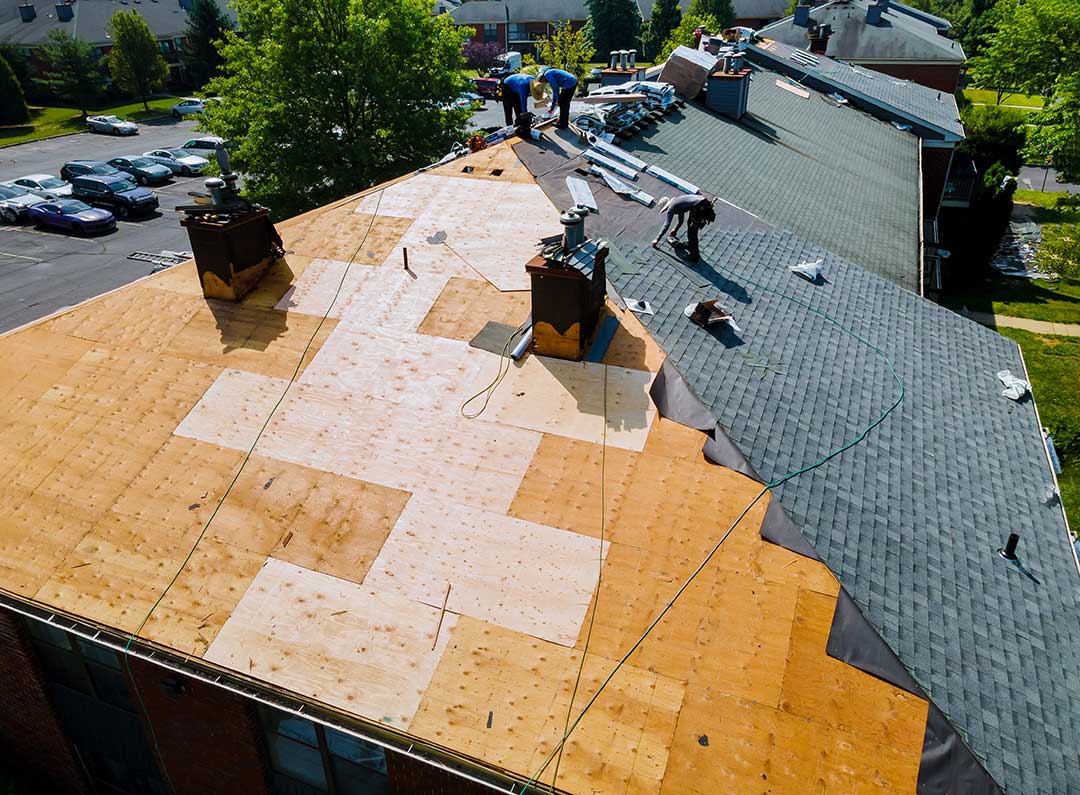
Photograph wide views first, then take closer images. Include unaffected areas when they help show the overall condition. Do not remove damaged roofing materials unless they pose an immediate danger or are preventing necessary drying.
What water damage should be addressed quickly?
Standing water, saturated insulation, and wet drywall can continue causing damage after the roof itself has been temporarily covered. Moisture can also affect wiring, flooring, cabinets, and stored belongings.
Drying should begin as soon as conditions are safe. Open interior doors to improve airflow, use fans only in dry areas, and avoid operating electrical equipment near water. Wet insulation may need special handling because it can remain damp after visible dripping stops.
Watch for:
- Expanding ceiling or wall stains
- Musty odors
- Soft drywall or flooring
- Peeling paint
- Damp insulation
- New insect activity
- Condensation in attic spaces
Cold weather adds another concern. Water that enters during a thaw can freeze again inside wall cavities or around roof edges. Repeated freezing and thawing may enlarge cracks and loosen materials.
When is outside help necessary?
Some emergency conditions require trained assistance because the risk cannot be controlled safely from the ground. This includes structural collapse, major tree impact, extensive roof loss, exposed electrical systems, hazardous debris, chimney movement, and damage involving steep or icy surfaces.
Safety concerns should take priority over speed. A repair that appears simple may involve unstable decking, hidden rot, displaced flashing, or damage beneath several layers of roofing. Unapproved roof access or poorly secured temporary materials can also create liability and additional property damage.
For homes with older construction, additions, porches, or multiple roof sections, water may enter far from the area where the damage is visible. A careful assessment should account for the roof’s age, past repairs, ventilation, drainage, and the condition of nearby masonry or siding.
How can emergency roof problems be reduced before the next storm?
Basic maintenance can lower the chance that a minor defect becomes an emergency. Before severe weather seasons, homeowners can inspect visible flashing, keep gutters and downspouts clear, trim hazardous branches where permitted, and look for cracked sealant or missing roofing materials from ground level.
In the region’s snow and freeze-thaw conditions, pay particular attention to:
- Ice buildup along eaves
- Blocked gutters and downspouts
- Sagging roof sections
- Loose chimney or vent flashing
- Attic moisture and poor ventilation
- Repeated leaks in the same interior location
Keeping a flashlight, plastic sheeting, containers, towels, gloves, and a basic camera or phone accessible can make the first response more organized. The goal is not to perform a complete repair during dangerous weather. It is to protect occupants, limit additional water entry, and preserve useful information until the roof can be safely evaluated.
