
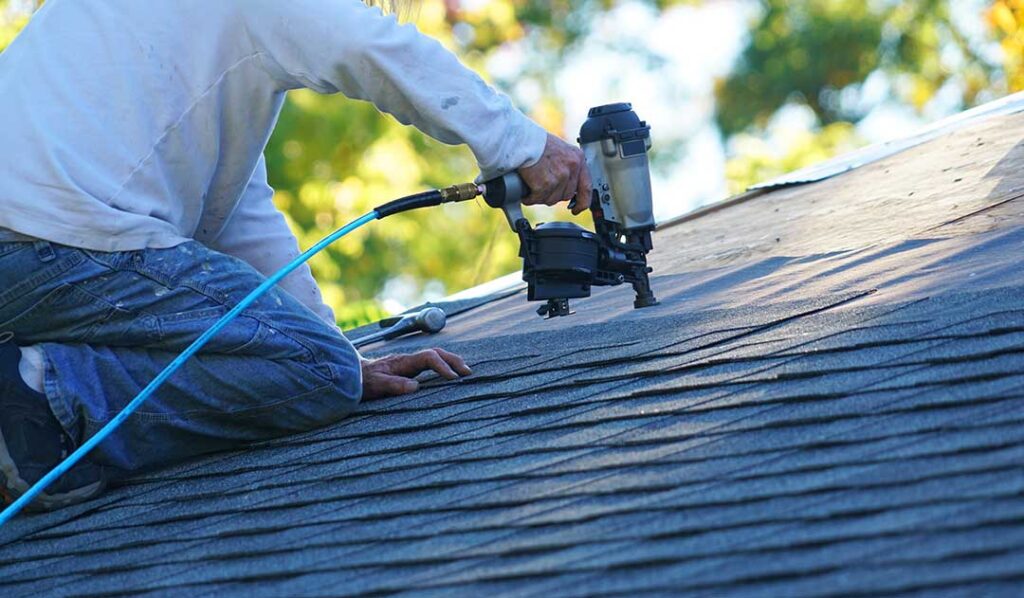
Preventive roof maintenance is less about making a roof look new and more about keeping small defects from becoming expensive interior damage. For homeowners in Hoosick Falls, NY, regular inspections and timely upkeep can help a roof handle repeated cycles of snow, ice, wind, rain, and summer heat with fewer surprises.
What does preventive roof maintenance include?
Preventive maintenance means checking and caring for the roof before an obvious leak or major failure occurs. It usually involves visual inspections, drainage checks, minor repairs, and attention to areas where water or ice commonly causes trouble.
A basic maintenance review may include:
- Looking for missing, cracked, curled, or loose shingles
- Checking metal flashing around chimneys, vents, valleys, and wall intersections
- Clearing leaves, twigs, and other debris from roof drainage areas
- Inspecting gutters and downspouts for blockages or poor discharge
- Looking for loose pipe boots, exposed fasteners, or damaged sealants
- Checking attic insulation, ventilation, and signs of moisture
- Examining roof edges for ice-dam-related staining or deterioration
The purpose is not to repair every minor cosmetic imperfection. The purpose is to identify conditions that can allow water behind the roof covering or permit moisture to reach the decking, insulation, framing, or interior finishes.
Why is routine care especially useful in this area?
Seasonal weather places repeated stress on roof systems. Snow can remain on a roof for extended periods, while temperature changes may cause melting and refreezing at roof edges. Wind-driven rain can test flashing and exposed seams, and summer sunlight gradually dries and ages roofing materials.
Ice dams are a particular concern because they can form when heat escapes through the upper part of a home and melts snow on the roof. The water may refreeze near colder eaves, creating a barrier that forces later meltwater beneath the roof covering. New York’s residential code addresses ice-barrier protection in areas with a history of ice formation along eaves, reflecting the potential for water backup in cold-weather conditions. ([codes.iccsafe.org](https://codes.iccsafe.org/content/NYSRC2025P1/chapter-9-roof-assemblies?utm_source=openai))
Maintenance cannot prevent every ice dam. It can, however, reveal blocked drainage, inadequate ventilation, damaged flashing, and attic moisture conditions that increase the chance of leakage.
How does preventive maintenance extend roof life?
A roof usually deteriorates gradually rather than failing all at once. A small opening around a flashing detail may allow only a little water into the system at first. Over time, that moisture can soften roof decking, stain ceilings, reduce insulation performance, and contribute to decay.
Addressing the original defect early may preserve more of the surrounding roof assembly. If the problem is ignored, the eventual repair may involve several layers of material instead of one isolated component.
Preventive care also helps slow damage caused by:
- Repeated wetting and drying of wood components
- Wind lifting at shingle edges
- Rust around exposed metal fasteners
- Water pooling near clogged drainage paths
- Loss of protective granules from asphalt shingles
- Moisture accumulation caused by poor attic airflow
A maintenance record can also help identify whether deterioration is isolated or part of a broader pattern. That information is useful when deciding whether a roof needs a small repair, more extensive work, or eventual replacement.
What is the financial value of finding problems early?
The long-term value comes from controlling the size and timing of repairs. A small repair is not always inexpensive, but it is generally less disruptive than replacing damaged sheathing, insulation, drywall, trim, or framing after a prolonged leak.
Roof maintenance may help reduce costs in several ways:
1. It limits secondary damage. Water that remains inside a roof assembly can affect more than the roof covering.
2. It improves planning. Knowing a roof is approaching the end of its service life allows a household to prepare instead of reacting to an emergency.
3. It protects related systems. Gutters, soffits, fascia, attic insulation, and exterior walls can all be affected by poor roof drainage.
4. It reduces emergency work. Problems discovered during a planned inspection are often easier to assess than damage found during a storm or winter freeze.
5. It supports accurate budgeting. A roof that is inspected periodically provides better information about remaining service life than one that has not been observed for years.
Preventive maintenance does not guarantee that a roof will reach a particular age. Material quality, installation, ventilation, slope, tree exposure, storm history, and workmanship all affect durability.
How often should a roof be checked?
A practical schedule is to inspect the roof at least twice a year: once after winter and again before the cold-weather season. Additional checks are sensible after high winds, heavy snow, fallen branches, or unusually intense rainfall.
Homeowners do not need to climb onto the roof to perform a useful first review. From the ground or from accessible windows, look for:
- Shingles or metal panels that appear displaced
- Sagging lines or uneven roof surfaces
- Dark streaks, exposed underlayment, or missing sections
- Gutters pulling away from the fascia
- Granules collecting heavily in downspouts
- Stains on ceilings, walls, or attic wood
- Daylight visible through the roof deck
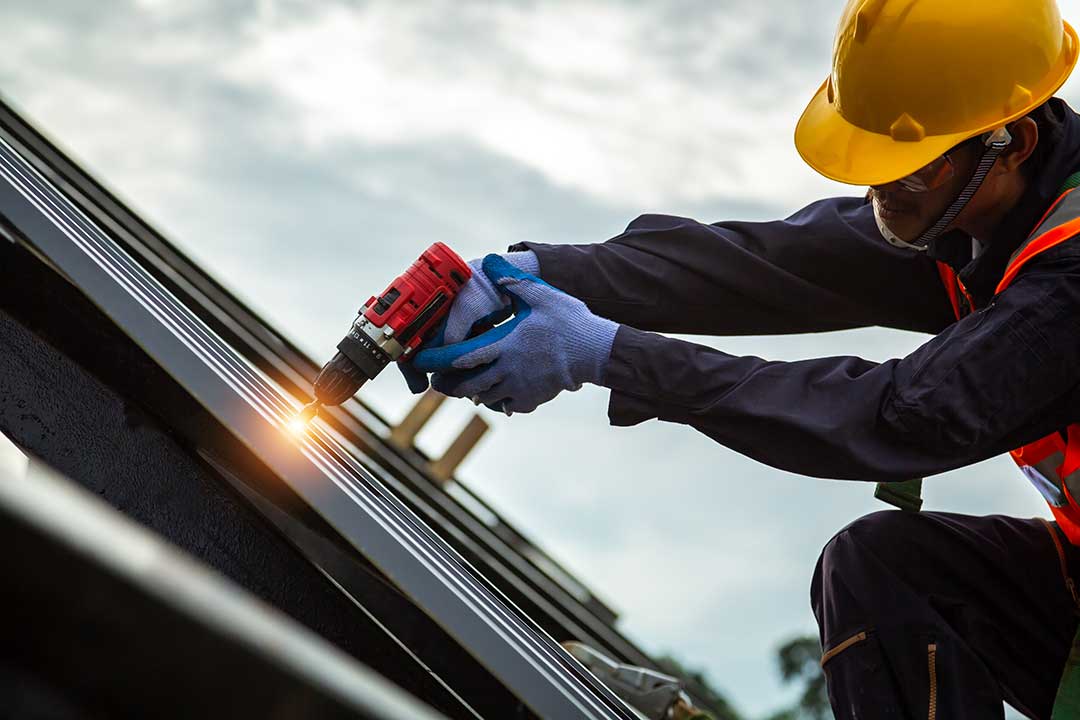
A roof with a steep slope, wet surface, snow cover, fragile materials, or visible structural damage should not be climbed. Roof access can create a fall hazard, and snow or ice loads can add risk to both people and the structure. State guidance warns that excessive ice and snow loads can overload structural members under certain conditions. ([nysed.gov](https://www.nysed.gov/facilities-planning/ice-and-snow-loads-warning?utm_source=openai))
Which maintenance tasks can homeowners handle safely?
Some low-risk tasks are suitable for routine household observation. Homeowners can keep gutters clear from a stable ladder position when conditions are dry and the work can be done safely. They can also inspect attic spaces for damp insulation, musty odors, staining, or daylight.
Roof-surface repairs are different. Walking on shingles, slate, metal panels, or steep roofs can cause damage or injury. Electrical equipment, chimney areas, and sections near snow or ice require additional caution.
Professional assessment becomes appropriate when there is:
- A leak that cannot be traced from the interior
- Sagging, soft decking, or visible structural movement
- Storm damage over a large area
- Persistent ice-dam leakage
- Suspected mold or extensive wet insulation
- A roof that cannot be safely accessed
- Damage near chimneys, skylights, or complex roof intersections
That is not because every maintenance task requires outside assistance. It is because fall hazards and concealed structural damage can make an apparently minor issue unsafe to investigate casually.
Does maintenance mean replacing a roof sooner?
No. Proper maintenance may help a roof remain serviceable longer, but it does not stop normal aging. Shingles lose flexibility and protective granules, metal can corrode, membranes can deteriorate, and fasteners can loosen over time.
The goal is to distinguish between manageable wear and conditions that threaten the roof assembly. A roof nearing the end of its expected service life may still perform adequately if it is monitored, while a newer roof with poor drainage or installation damage may need attention sooner.
New York’s property maintenance standards generally require roof surfaces and related components to be maintained so they do not admit rain or create unsafe conditions. ([dos.ny.gov](https://dos.ny.gov/nys-property-maintenance-code-noa-7242025?utm_source=openai)) Preventive inspections support that basic responsibility by identifying defects before they become larger maintenance or safety concerns.
For area households, the most useful approach is simple: observe the roof regularly, keep drainage paths open, document changes, and respond to small warning signs before winter weather or heavy rain tests the system.
