
A roof warranty can help with certain material defects or installation problems, but it does not guarantee that every leak or repair will be covered. The most useful way to assess coverage is to identify which warranty applies, determine what caused the problem, and compare that cause with the written exclusions.
What types of roof warranties may apply?
Most residential roofing projects involve more than one form of protection. These warranties may overlap, but they are not interchangeable.
A manufacturer’s material warranty covers defects in roofing products, such as shingles, membranes, underlayment, or related components. It usually applies when the product fails because of a manufacturing problem. It may not cover poor installation, storm damage, animals, neglected maintenance, or problems caused by other parts of the roof system.
A contractor’s workmanship warranty covers the quality of installation. If flashing was installed incorrectly, fasteners were placed improperly, or materials were applied contrary to the manufacturer’s instructions, a workmanship warranty may address resulting problems.
A builder or new-home warranty may cover roof workmanship or structural defects for a limited period. Its terms can differ from both the roofing manufacturer’s warranty and the agreement for the roofing work.
A home warranty or service contract is different again. These plans may cover certain repair services, subject to service fees, exclusions, coverage limits, and approval procedures. They are not automatically the same as a roof warranty.
Before evaluating a claim, find every document connected with the roof installation, including the contract, invoice, material warranty, workmanship guarantee, transfer paperwork, and records of repairs.
Does a long warranty period mean the entire roof is covered?
No. The number of years is only one part of the warranty. A “lifetime” or multi-decade material warranty may apply only while the original product remains installed and only to specific manufacturing defects.
Many warranties also change over time. Early coverage may be non-prorated, meaning the manufacturer may provide a greater share of replacement materials during the initial period. Later coverage may become prorated, reducing the amount available based on the roof’s age.
Check these details:
- When the coverage begins
- Whether the period is measured from installation, purchase, or manufacture
- Whether coverage declines with age
- Whether labor is included
- Whether tear-off, disposal, flashing, or related materials are covered
- Whether the remedy is repair, replacement materials, reimbursement, or another limited option
A warranty promising replacement shingles may not pay for the labor required to remove damaged materials and install new ones.
How can the cause of a roof problem be matched to coverage?
The central question is not simply, “Is the roof leaking?” It is, “What caused the leak?”
A claim may have a stronger basis when the evidence points to a covered manufacturing defect or installation error. Coverage is less likely when the problem results from an excluded event or from a part of the home outside the warranty.
Possible causes include:
- Defective shingles or roofing membranes
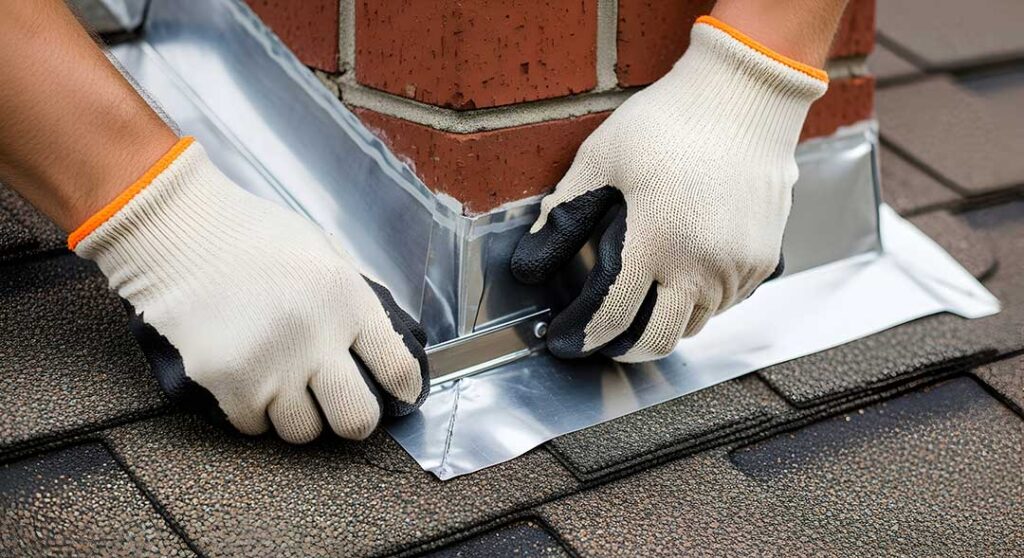
- Improper flashing around chimneys, skylights, or roof penetrations
- Inadequate sealing or fastening
- Ice dams and repeated freeze-thaw movement
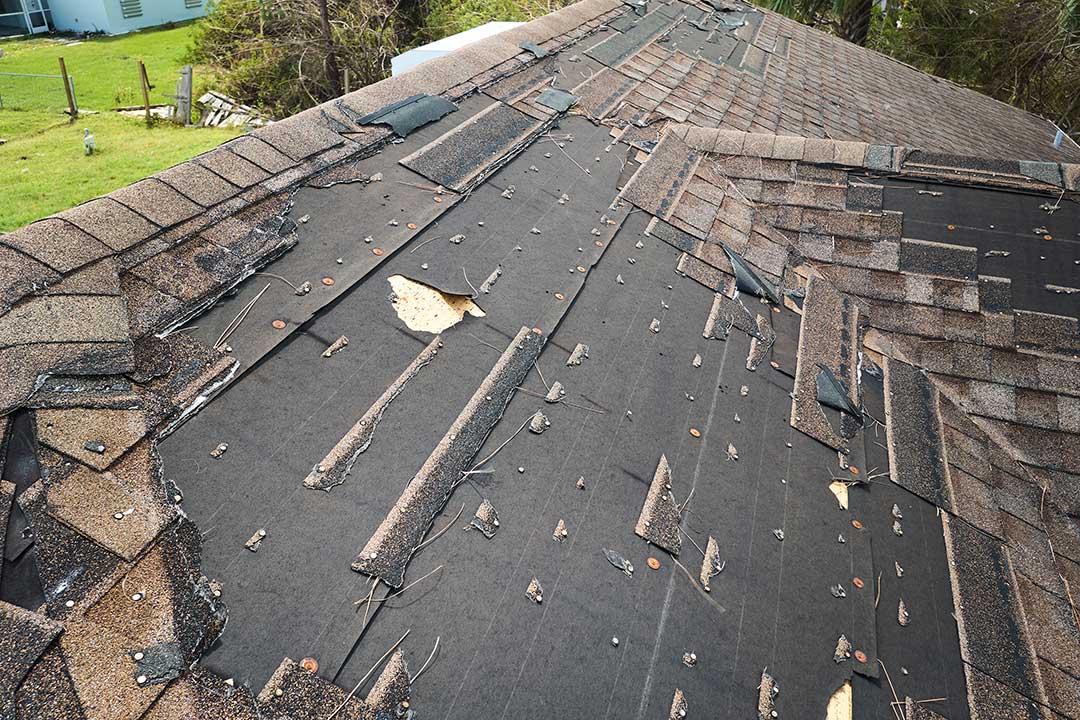
- Wind, hail, falling branches, or other severe weather
- Blocked drainage or standing water
- Deteriorated chimney masonry, siding, gutters, or vent components
- Foot traffic, alterations, or later repairs
- Lack of required maintenance
- Moisture entering through attic ventilation or interior condensation
Seasonal conditions in Hoosick Falls can make diagnosis more complicated. Snow accumulation, ice formation, spring rain, and repeated temperature changes may expose weaknesses that were not visible during warmer months. However, weather-related damage is commonly excluded from manufacturer and workmanship warranties, even when it causes a leak.
Do not assume that the location of a ceiling stain identifies the source. Water can travel along decking, rafters, insulation, or framing before appearing indoors.
What exclusions deserve the closest attention?
The exclusions often determine the practical value of a warranty. Read them as carefully as the coverage section.
Common exclusions include:
- Storm, hail, wind, fire, or impact damage
- Improper maintenance or neglect
- Condensation or inadequate attic ventilation
- Structural movement or settling
- Alterations made after installation
- Damage caused by another trade or later repair
- Moss, algae, mold, or biological growth
- Ponding water on low-slope areas
- Damage from animals, insects, or unauthorized access
- Use of incompatible materials
- Failure to follow written maintenance or inspection requirements
An exclusion may apply to the damage itself without automatically cancelling every part of the warranty. For example, a warranty might exclude storm damage but still cover a separate manufacturing defect. Ask for the exact clause being relied upon and how it relates to the observed problem.
Can a roof warranty be transferred to a new owner?
Sometimes, but transfer rules vary significantly. A material warranty may transfer once, only within a specific number of days after the property changes ownership. Some workmanship warranties do not transfer at all, while others require written notice, a fee, or documentation of the original installation.
A homeowner who recently purchased a house should look for:
- The original roof installation date
- The name of the manufacturer
- The installer’s written warranty
- Transfer deadlines
- Registration or claim numbers
- Any required inspection or maintenance records
- Restrictions on coverage after transfer
Real estate listings, seller statements, and verbal assurances should not be treated as the warranty itself. The controlling terms are usually found in the written documents.
What records help support a warranty claim?
Good documentation can make it easier to determine whether a claim is covered. Keep a single file containing:
- The signed roofing contract
- The final invoice and payment records
- Product names and installation dates
- Warranty certificates
- Photographs taken before and after installation
- Photographs of the suspected damage
- Inspection reports
- Maintenance and repair records
- Communications about prior leaks or repairs
- Weather information if storm damage may be involved
Take photographs from safe ground-level locations or from accessible interior areas. Roof surfaces can be slippery, especially after rain, frost, or snow. Do not climb onto a roof to document a problem if conditions are hazardous.
What is the usual process for making a claim?
Begin by reading the claim procedure in the warranty. Some warranties require notice within a stated period. Others specify a mailing address, online form, inspection process, or authorized representative.
A practical sequence is:
1. Document the leak or visible defect without making unnecessary alterations.
2. Take reasonable temporary steps to limit interior damage, such as placing containers under active leaks.
3. Review both the material and workmanship warranties.
4. Notify the party identified in the warranty in writing.
5. Describe the date, location, symptoms, and suspected cause without overstating conclusions.
6. Keep copies of every notice, photograph, receipt, and response.
7. Ask whether the inspection will determine the cause, the remedy, and responsibility for labor.
Emergency measures may be necessary to protect the home, but extensive repairs before an inspection can make the original condition harder to evaluate. Preserve damaged materials and receipts when practical.
What if a warranty claim is denied?
Request the denial in writing, including the specific exclusion or condition used to reject the claim. Compare that explanation with the warranty language, contract, photographs, and inspection findings.
A denial may involve a disagreement about whether the problem is a product defect, installation error, maintenance issue, or weather event. If the dispute involves significant damage, a written opinion from an appropriately qualified roofing or building professional may help clarify the cause. Safety concerns, structural damage, active interior water intrusion, or electrical risks warrant prompt attention.
For major disputes, legal advice may be appropriate because contract terms, consumer warranty rules, and New York home-improvement requirements can affect the available remedies. A warranty is a written promise, but its usefulness depends on the exact language, the evidence of cause, and compliance with the claim process.
